
Gamma Radiation Detectors: Rent or Buy
Gamma rays are high-energy electromagnetic radiation emitted from the nuclei of radioactive isotopes such as cobalt-60, cesium-137, and iridium-192. Unlike alpha and beta particles, gamma rays have very high penetrating power and can pass through the entire human body, making external exposure a significant health concern.

TWO OPTIONS, SIDE BY SIDE
Monitoring Equipment to Rent for Gamma Rays
We rent two instruments for gamma rays. Their specifications are listed side by side so you can see which fits the job.
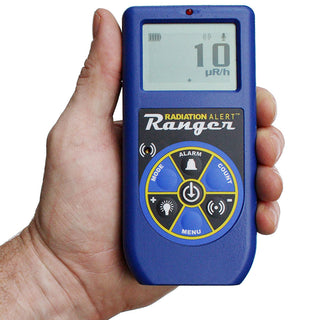
- Monitoring
- Area
- Type
- Internal 2-inch pancake Geiger-Müller tube
- Measures
- Alphabetagamma and X-ray radiation
- Range
- 0.001 mR/hr (1 µR/hr) to 100 mR/hr
- Resolution / accuracy
- Accuracy ±15% typical from the factory
- Battery run time
- Approx. 800 hours at background
- Intrinsically safe
- No
- Data logging
- Yes
- Monitoring
- Area
- Type
- External 2-inch pancake Geiger-Müller probe, RAP-RS2
- Measures
- Alphabetagamma and X-ray radiation
- Range
- 0.001 mR/hr (1 µR/hr) to 100 mR/hr
- Resolution / accuracy
- Accuracy ±15% typical from the factory
- Battery run time
- Approx. 800 hours at background
- Intrinsically safe
- No
- Data logging
- Yes
WHERE EXPOSURE OCCURS
Risks: Where Gamma Rays Exposure Occurs
Gamma rays are high-energy ionizing radiation emitted from radioactive isotopes used in industrial radiography, nuclear power, and radiological emergency response. Rent gamma radiation detection equipment from RAECO Rents to support surveys, dose rate monitoring, and controlled area verification. Our rental instruments are well maintained and annually calibrated.
Industrial radiography & gauges
Sealed sources in density gauges and pipe radiography.
Typical setup: A Geiger counter for survey readings.
Scrap metal & recycling
Screening for radioactive material in scrap loads.
Typical setup: Geiger counter surveys.
Oil, gas & mining (NORM)
Scale and sludge with naturally occurring radioactive material.
Typical setup: A Geiger counter with a pancake probe for surface surveys.
Medical & laboratory areas
Areas that use radioactive isotopes.
Typical setup: Geiger counter survey readings.
Gamma Rays monitoring questions
All rental FAQs →Not sure which gamma rays monitoring equipment fit your job?
Tell us where the hazard is and how many workers need coverage. We'll recommend the instrument, range and alarm settings.
For educational purposes only. Exposure limits are summarized from the cited agencies; confirm monitoring requirements for your site with a qualified safety professional.