
Humidity Monitors: Rent or Buy
Humidity refers to the amount of water vapor present in the air. In occupational hygiene, both high and low relative humidity levels create workplace hazards.

COMPARE YOUR OPTIONS
Monitoring Equipment to Rent for Humidity
Each of these instruments measures at a fixed point, room or job site. Compare every option in the table below.


 Top pick

Add-ons, kits and consumables
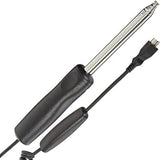
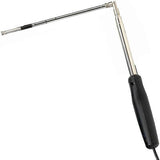
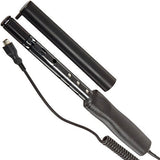
COMPARE OPTIONS
Humidity monitoring equipment side by side
| Instrument | Monitoring | Measures | Range | Resolution / accuracy | Battery run time | Intrinsically safe | Data logging | Starting at |
|---|---|---|---|---|---|---|---|---|
| Heat Stress Monitors Measure heat load on workers. Area monitors combine air, globe and wet bulb temperature into WBGT; wearables track the worker's own heart rate and core temperature. | ||||||||
| QUESTemp 36 by TSI Quest | Area | Dry Bulb TemperatureNatural Wet Bulb TemperatureGlobe TemperatureRelative Humidity | 20–95% RH | Accuracy ±5% | Up to 140 hours | No | Yes | $130.00 / day |
| QUESTemp 46 by TSI QuestTop pick | Area | Dry Bulb TemperatureGlobe TemperatureRelative HumidityWaterless Wet Bulb (calculated) | 20–95% | Accuracy ±5% | Approximately 80 hours | No | Yes | $130.00 / day |
| Indoor Air Quality Monitors Multi-parameter instruments for indoor surveys that log temperature and humidity alongside gases and particulate. | ||||||||
| EVM-7 by TSI Quest | Area | TemperatureRelative humidity+5 more | 0% to 100% RH | Resolution 0.1% RH | Minimum of 8 hours under continuous operation | No | Yes | Buy used $4,750.00 |
| TSI Q-Trak XP 7585 | Area | TemperatureRelative humidity+6 more | 0% to 100% RH | Resolution 0.1% RH | Approximately 8+ hours | No | Yes | $225.00 / day |
| Ventilation Meters Handheld meters for HVAC and ventilation work that read air temperature and humidity alongside air velocity and pressure. | ||||||||
| VelociCalc 9565 by TSI | Area | TemperatureRelative Humidity+5 more | 5–95% RH | Resolution 0.1% RH | Approx. 15 hours continuous on 4 AA batteries | No | Yes | $55.00 / day |
| Moisture Meters Measure moisture in building materials, plus air temperature, humidity and dew point, for drying and mold investigations. | ||||||||
| MO297 by Extech | Area | Material moisturerelative humidityair temperatureIR surface temperature | 0-100% | Accuracy ±2.5% to | 24-32 hours | No | Yes | $55.00 / day |
| Protimeter Technicians Kit: Hygromaster2 + Surveymaster + Heavy Duty Hammer Electrode | Area | Material moisturerelative humidityair temperatureIR surface temperature | 0-100% | Accuracy ±2-3% | ~20 hours continuous use | No | Yes | $65.00 / day |
| Outdoor Monitoring Stations Weatherproof stations left on site for continuous perimeter or fenceline monitoring, with remote access to the data. | ||||||||
| Aethair PRO by Aethair | Area | TemperatureRelative Humidity+7 more | 0–90% RH | Accuracy ±2% RH | ~18 hours | No | Yes | $250.00 / day |
| Weather Stations Mast-mounted outdoor sensors for air temperature, humidity, pressure and wind. They connect to a separate data logger or gateway. | ||||||||
| Lufft WS500-UMB Smart Weather Station | Area | Air TemperatureRelative HumidityBarometric PressureWind Speed+1 more | 0–100% RH (capacitive) | Accuracy ±2% RH | — | No | No | $125.00 / day |
Range and accuracy are for the humidity reading. Run times are manufacturer estimates and vary with configuration and conditions. Not sure? Talk to our team.
WHERE EXPOSURE OCCURS
Risks: Where Humidity Exposure Occurs
Humidity can affect comfort, indoor air quality, and process conditions in workplaces, labs, and controlled environments. Rent relative humidity monitoring instruments from RAECO Rents for indoor environmental quality checks, HVAC verification, cleanroom monitoring, and moisture-related investigations. Instruments are maintained and supported with annual calibration so teams can trust the readings during assessments.
Indoor air quality & mold prevention
High humidity in buildings encourages mold growth.
Typical setup: An indoor air quality monitor that logs RH and temperature.
Water damage & restoration
Drying buildings and materials after leaks or floods.
Typical setup: Moisture meters and a psychrometer to track drying.
Heat stress
Humidity adds to heat stress for workers in hot conditions.
Typical setup: An area WBGT heat stress monitor.
Storage & sensitive environments
Warehouses, archives and equipment rooms.
Typical setup: Area monitors that log RH over time.
Humidity monitoring questions
All rental FAQs →Not sure which humidity monitoring equipment fit your job?
Tell us where the hazard is and how many workers need coverage. We'll recommend the instrument, range and alarm settings.
For educational purposes only. Exposure limits are summarized from the cited agencies; confirm monitoring requirements for your site with a qualified safety professional.